PixletTV
A fast, visual-first platform for creating and sharing short-form content
Pixlet started as something very personal. When my daughter was young, I traveled a lot for work. Missing bedtime stories was the hardest part. To stay connected, we began drawing stories together, and I recorded myself narrating them so she could listen when I wasn’t there. That simple ritual revealed something bigger: storytelling is not just content — it’s connection. Over time, the question evolved: - How can anyone create and share stories like this? - How can storytelling become more personal, visual, and accessible? - How do you remove friction so ideas can quickly become something meaningful? The challenge became turning a deeply personal experience into a scalable, creative platform.
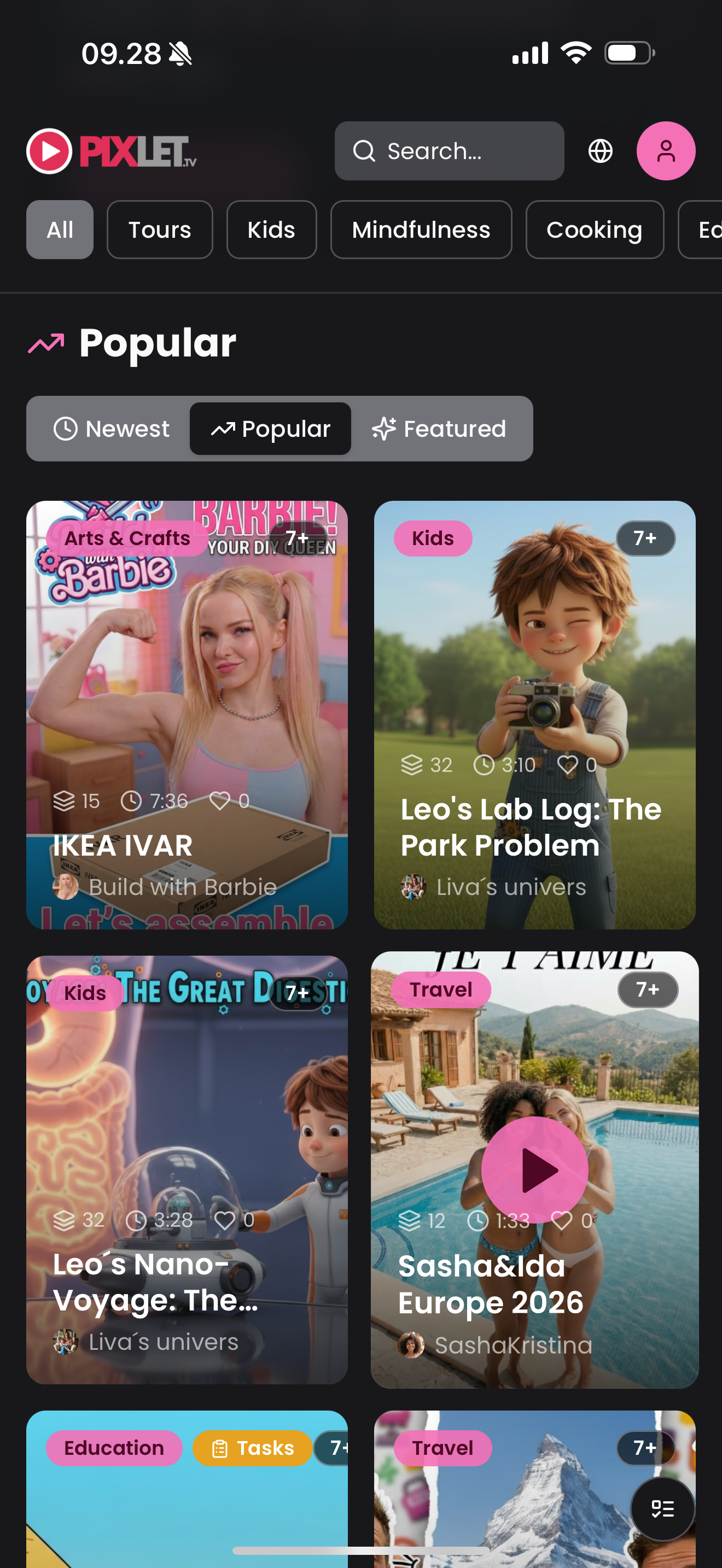
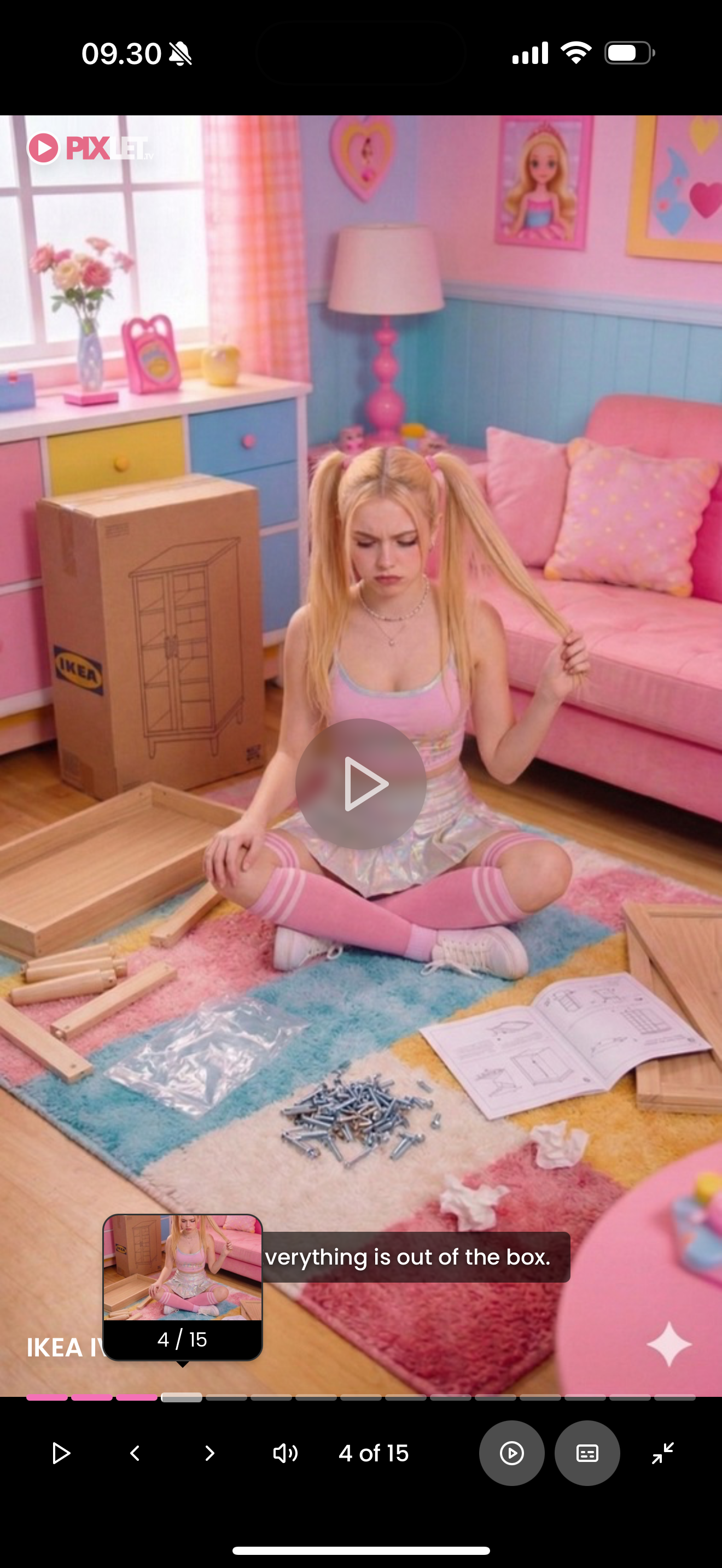
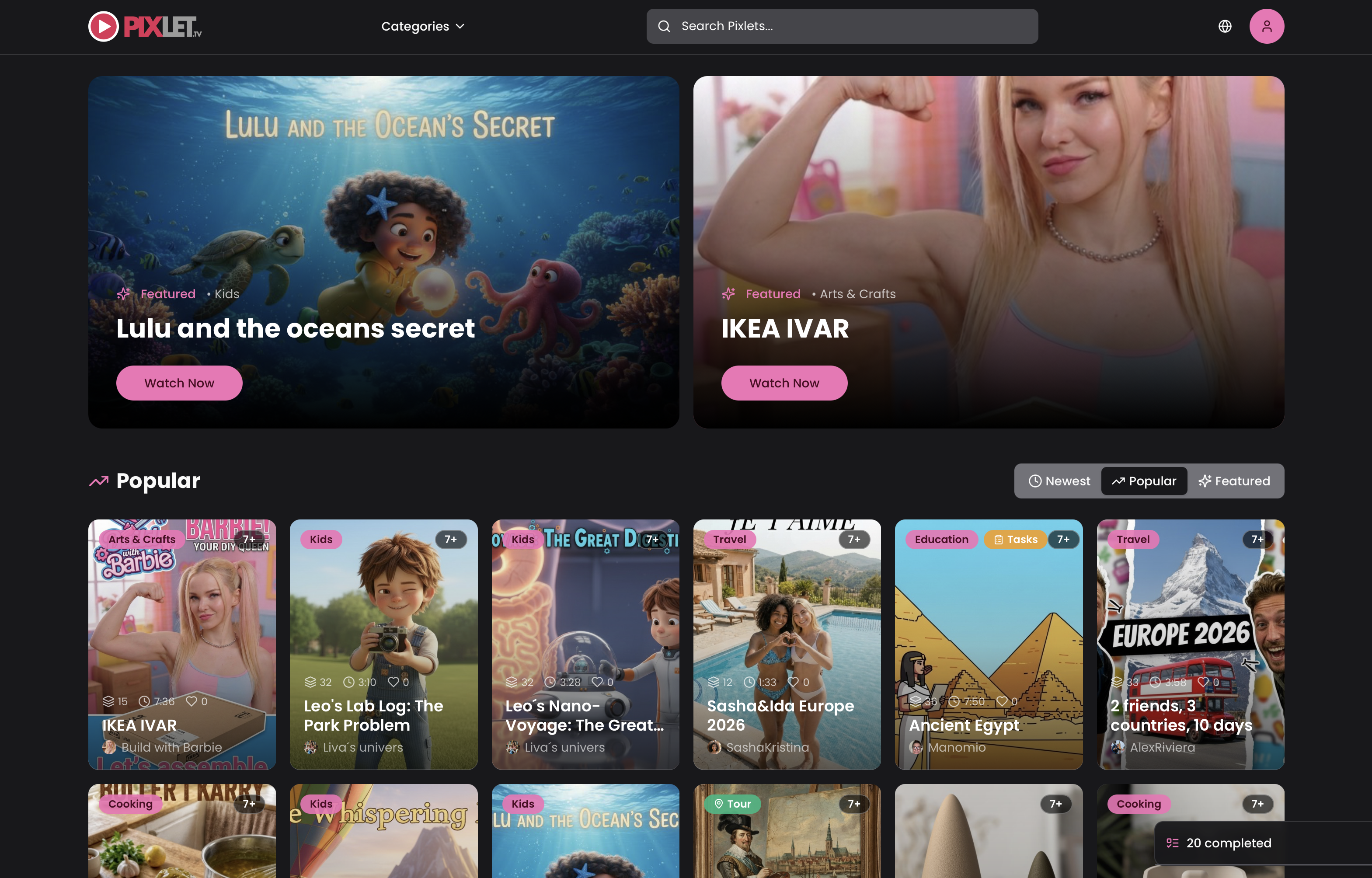
I designed Pixlet.tv as a lightweight, visual-first storytelling platform inspired by that original idea. The goal was to make storytelling simple and immediate: - turn ideas into visual narratives quickly - combine images, voice, and structure into a cohesive experience - remove the complexity of traditional editing tools I focused on: - fast creation flows that go from idea → story in minutes - a minimal interface that prioritizes expression over tools - prototyping different ways to combine visuals and narration The platform explores how storytelling can evolve from static content into something more personal, shareable, and accessible across languages and contexts.
Pixlet.tv became both a product concept and a personal proof of how meaningful ideas can scale. It demonstrates: - how a simple, emotional use case can evolve into a platform concept - how storytelling can be made more accessible through design and technology - how quickly ideas can be turned into working prototypes and tested At its core, Pixlet is about connection — using technology to bring people closer, even when they’re far apart. What started as bedtime stories became an exploration of how stories can travel across distance, time, and language.